
What can increase energy and reduced fatigue from opioid related hormone disruption?
Chronic fatigue is 1 of the most frustrating and least understood side effects of long-term opioid use. Whether opioids are used for pain management or urine recovery, persistent low energy often has a deeper cause: Hormone disruption. Understanding on addressing this root cause issue can dramatically improved daily energy, focus and overall quality of life.
Why opioids drain your energy
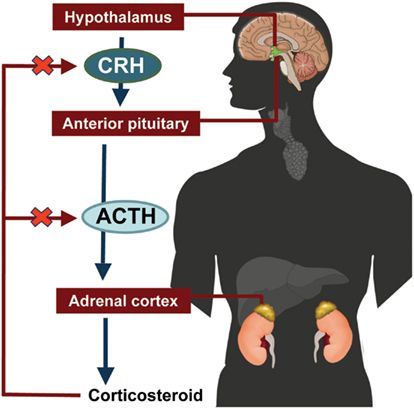
Opioids can suppress the body's hormone regulating system, particularly affecting testosterone and adrenal hormones like cortisol. These hormones place central role in energy production
- Muscle strength
- Mental clarity
- Motivation
When they are out of balance, fatigue becomes chronic not occasional.
Signs your fatigue may be hormonal
You might be dealing with hormone related fatigue if you experience:
- Constant tiredness despite adequate sleep
- Brain fog or difficulty concentrating
- Reduced stamina or strength
- Low motivation
What can increase energy naturally and medically?
1. Prioritize deep, restorative sleep
Hormone recovery happens during sleep. Improving sleep quality can significantly boost energy.
- Keep a consistent sleep schedule
- Avoid screens before bedtime
- Evaluate for sleep if needed
2. Incorporate strength training
Resistance exercise helps stimulate natural hormone production and improves overall energy metabolism.
- Start with 2-3 sessions per week
- Focus on gradual progression
3. Optimize nutrition
Fueling your body correctly supports hormones and energy levels.
- Increase protein intake
- Ensure adequate vitamin-D, magnesium and zinc
- Avoid blood sugar spikes and crashes
4. Address hormone imbalances directly
If symptoms persist testing may reveal low testosterone or adrenal dysfunction. Medical support can help restore balance and improved energy significantly.
Conclusion
Should you leave a blog up on your website a how long should you leave a bug Fatigue does not have to be your “new normal. ” By addressing the hormonal effects of opioid use, it is possible to regain steady, sustainable energy.
Looking for answers? A personalized hormone evaluation can help identify what is holding you back.
5 Signs Your Hormones May Be Out of Balance: Learn What Your Body May Be Trying to Tell You
Hormones influence nearly every system in the body. They help regulate your metabolism, energy, mood, sleep, weight, sexual health and much more. When they're imbalance you often feel your best. When they're not, even every day activities can become more challenging.
Many people assume that fatigue, waking, poor sleep, or mood changes or simply port of getting older. While aging does not bring natural hormonal changes persistent symptoms she'd no automatically be dismissed as "normal."
- Persistent fatigue
Do you wake up tired despite getting enough sleep? Do you rely on caffeine just to get through the day?
Hormonal imbalances involving the thyroid, cortisol, estrogen, progesterone, or testosterone can all contribute to low energy. Other factors including nutritional deficiencies, chronic stress in certain medical conditions, may also play a role.
2. Weight changes that do not make sense
Have you gained weight despite eating well and staying active? Or have you found it much harder to lose weight then it used to be?
Hormones influence metabolism, appetite, insulin sensitivity, and wear your body stores fat. Weight gain is often caused by multiple factors, but hormone changes can be 1 important contributor.
3. Sleep problems
Difficulty falling asleep, waking frequently during the night, or never feeling rested can be associated with hormonal changes.
Cortisol, melatonin, estrogen, progesterone, and testosterone each help regulate healthy sleep patterns. Identifying the underlying cause is often the 1st step toward improving sleep quality.
4. Mood changes or brain fog
Hormones also affect brain function.
People with hormone imbalances may experience
- Difficulty concentrating
- Forgetfulness
- Increased anxiety
- Irritability
- Low motivation
- Feeling mentally "foggy"
These symptoms are common but can have many different causes, so a comprehensive evaluation is important.
5. Changes in sexual health
For women, hormone changes may contribute to decreased libido, vaginal dryness, or discomfort during intimacy.
For men, low testosterone may contribute to reduce sex drive, erectile dysfunction, decreased muscle mass, or lower energy.
These symptoms deserve evaluation rather than being accepted as an inevitable part of aging.
Looking beyond symptoms
Hormonal symptoms often overlap with other health conditions. That's why it's important not to assume hormones are the only cause -or to begin treatment without an appropriate medical evaluation.
At Apple wellness by freedom medical, our goal is to understand the whole picture. We consider your medical history, symptoms, lifestyle, physical examination, and when appropriate, laboratory testing to identify potential contributors to her failure feeling.
A personalized treatment plan include lifestyle changes, nutrition, stress management, exercise treatment of underlying medical conditions, and for appropriate candidates, bioidentical hormone replacement therapy.
Take the next step
If you notice 1 or more of these symptoms, you do not have to simply accept them as part of getting older.
Understanding what is causing your symptoms is the 1st step toward feeling better.
Schedule a discovery consultation to discuss your concerns and learn whether a comprehensive hormone and wellness evaluation may be appropriate for you.